Retrospective: Closing conference on the evaluation of the Planning Assurance Act (PlanSiG)
Description and content of the event
With the Planning Assurance Act (PlanSiG), the legislator provides a legal framework for the rapid and lawful implementation of planning and approval procedures, taking into account the need for infection control measures during the ongoing COVID-19 pandemic. Where appropriate, procedural steps such as document inspection or consultation meetings could be conducted in digital formats, allowing those entitled to participate to exercise their rights without the need for physical presence. The main provisions of the PlanSiG expire on 31 December 2022. Against this background, the Federal Ministry of the Interior and Community (Bundesministeriums des Innern und für Heimat - BMI) commissioned the National Institute for Public Administration Germany to evaluate the PlanSiG in November 2021.
The evaluation, entitled 'Evaluation of the Planning Assurance Act: Experiences with the implementation of digital forms of public participation in planning and approval procedures', the results of the evaluation, which are intended to serve the legislator as a basis for decision-making for the development of legal regulations for the digital optimisation of public participation in planning and approval procedures, were presented to an expert audience and discussed with representatives from public authorities and project developers.
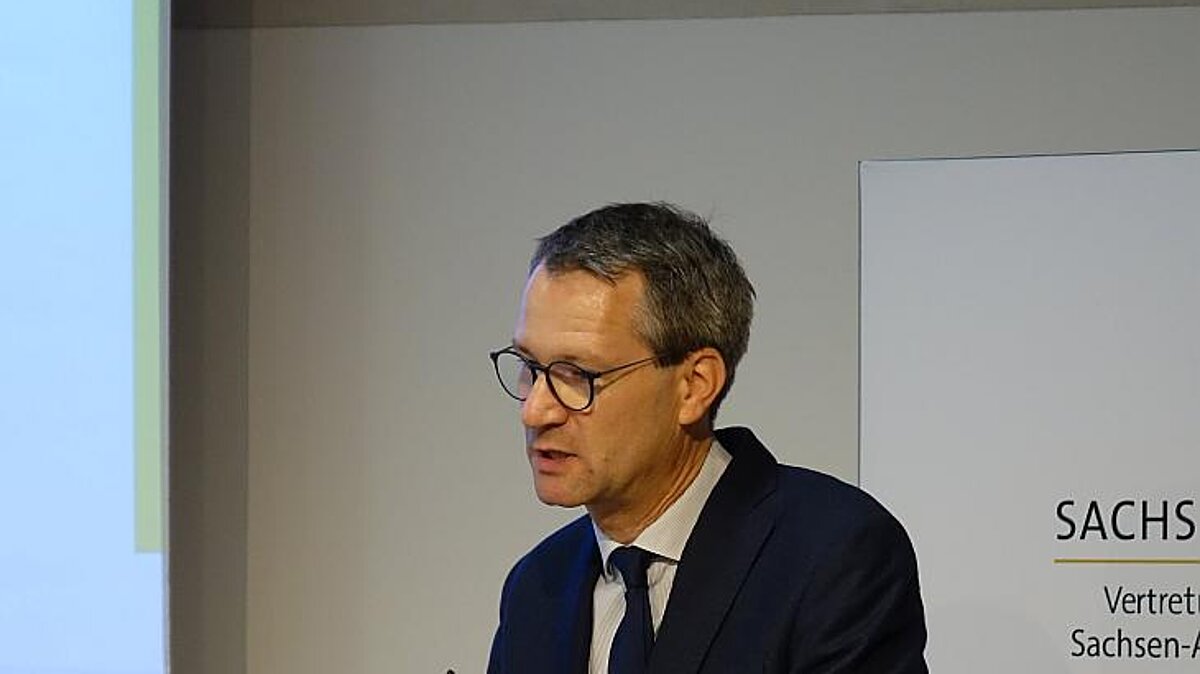
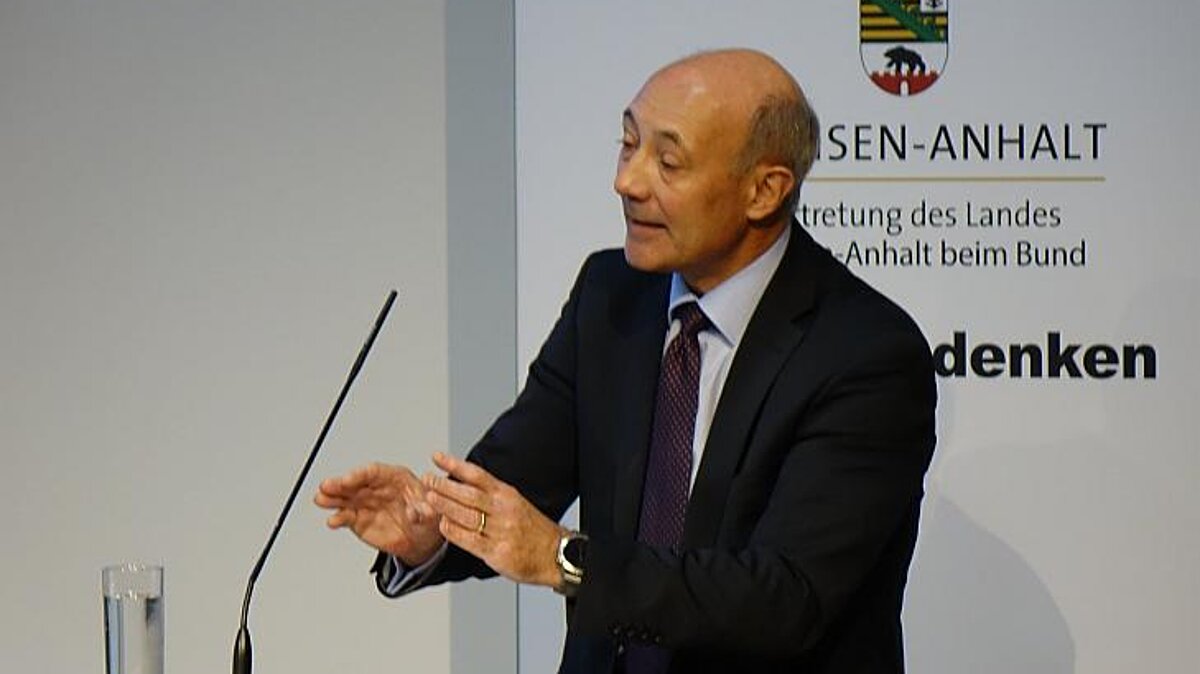
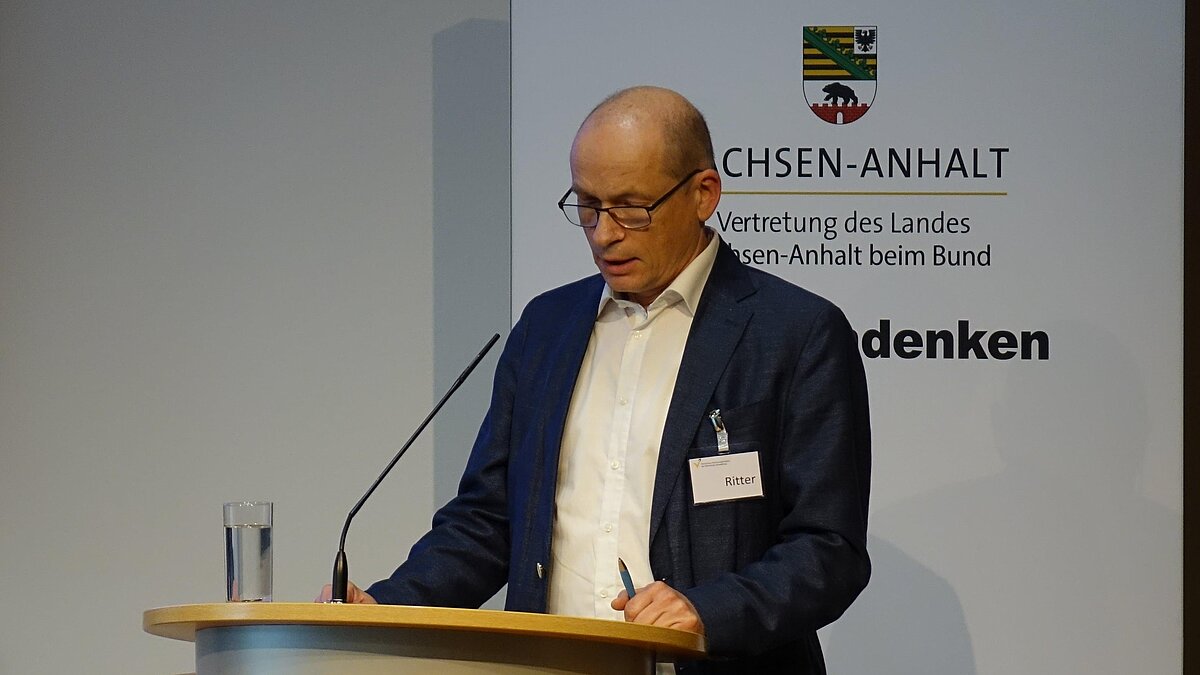
In his welcoming address, Permanent Undersecretary Dr Andreas Mom from the Federal Ministry of the Interior and Community (Bundesministerium des Innern und für Heimat - BMI) highlighted that PlanSiG will remain a political issue even after the evaluation has been completed, and that the results of the evaluation provided an important basis for this.
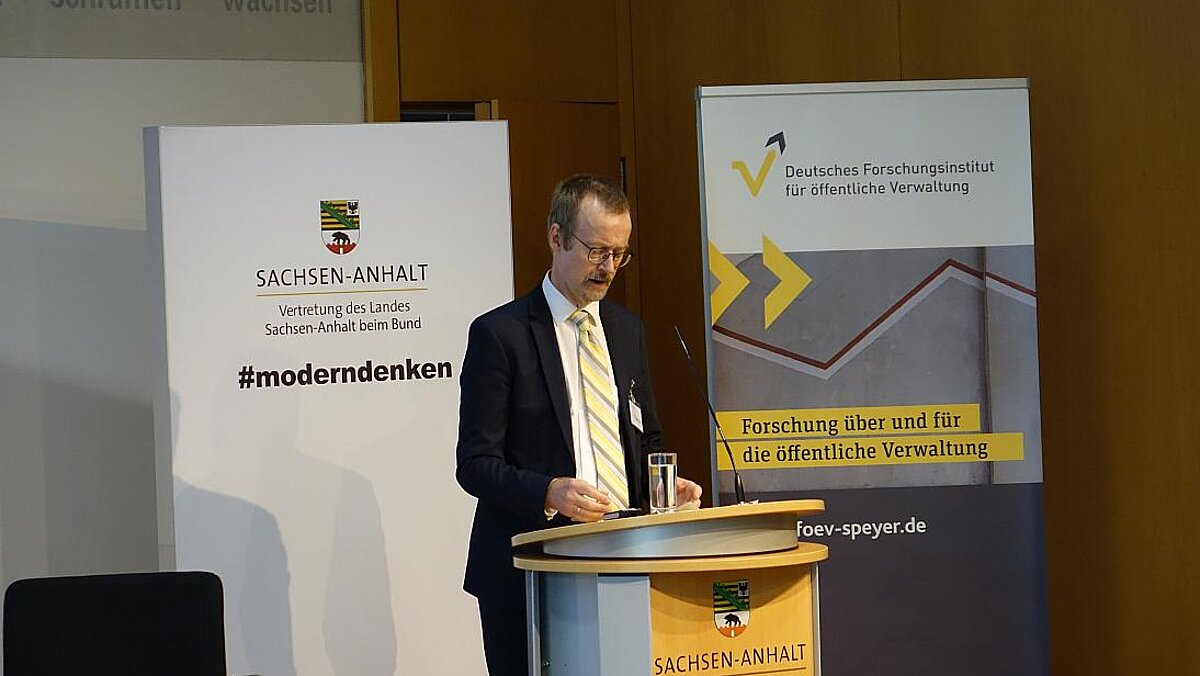
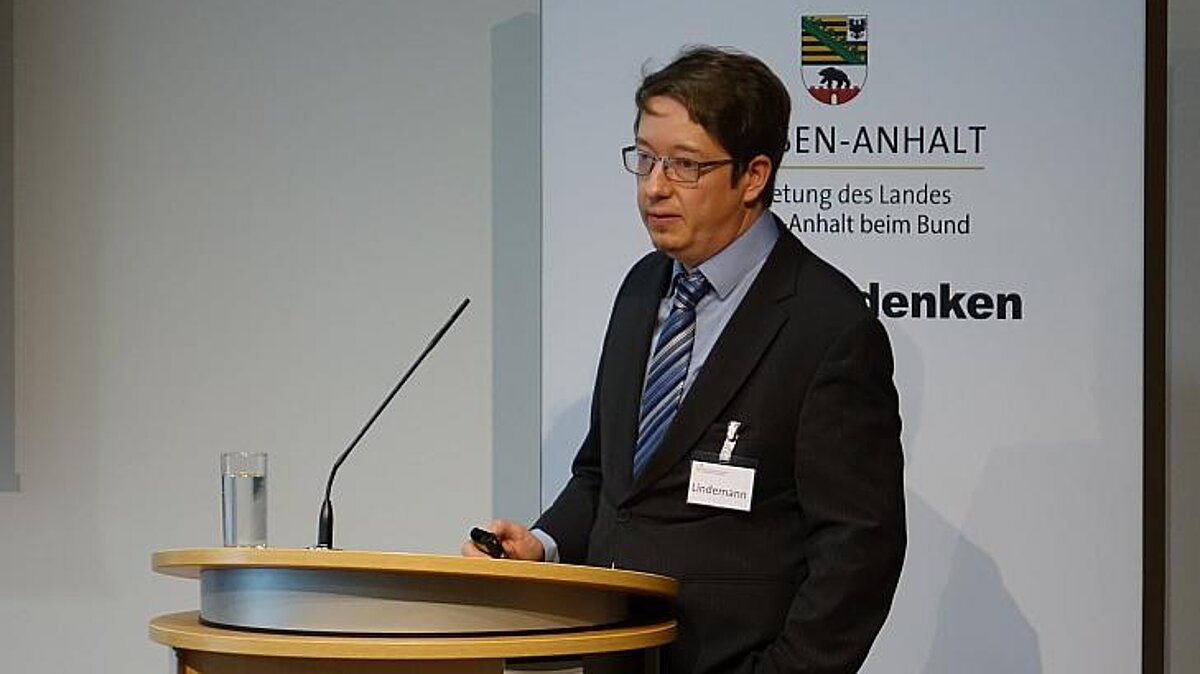
Prof. Dr Jan Ziekow, Director of National Institute for Public Administration Germany, highlighted the specific challenges faced by the project team in designing and implementing the evaluation. These included the high complexity of the PlanSiG and the limited time frame available for the PlanSiG evaluation. Despite these constraints, a considerable amount of data was generated and analysed in a relatively short period of time. The contributions of the participating respondents are also acknowledged.
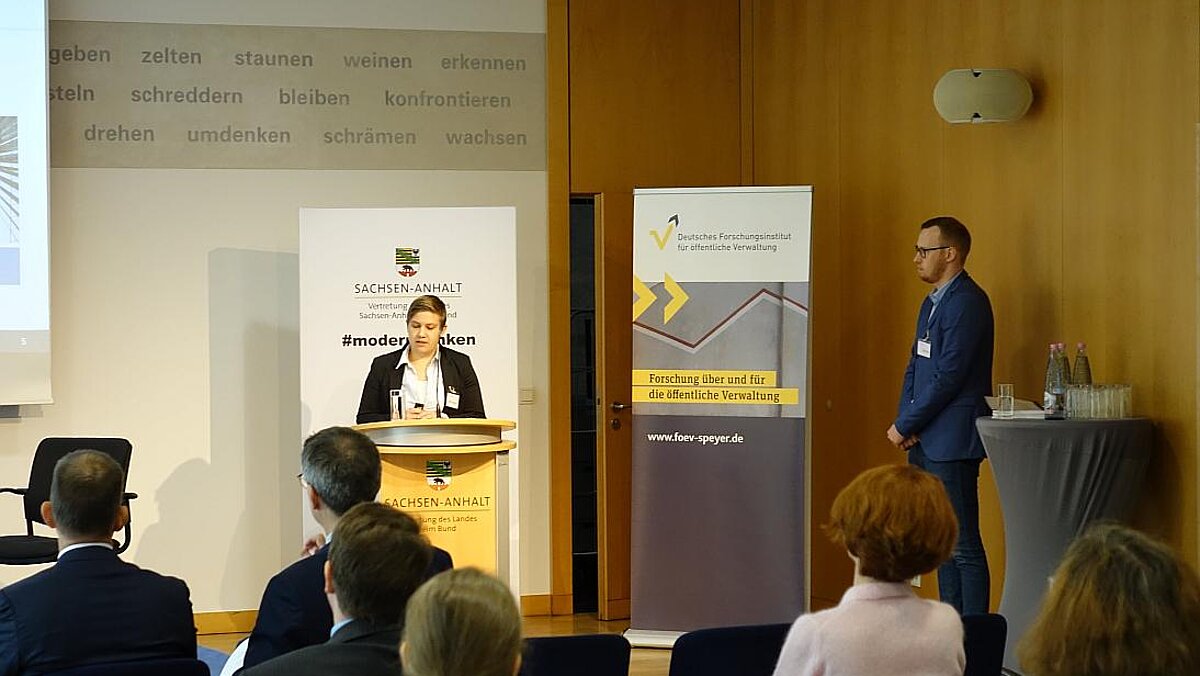
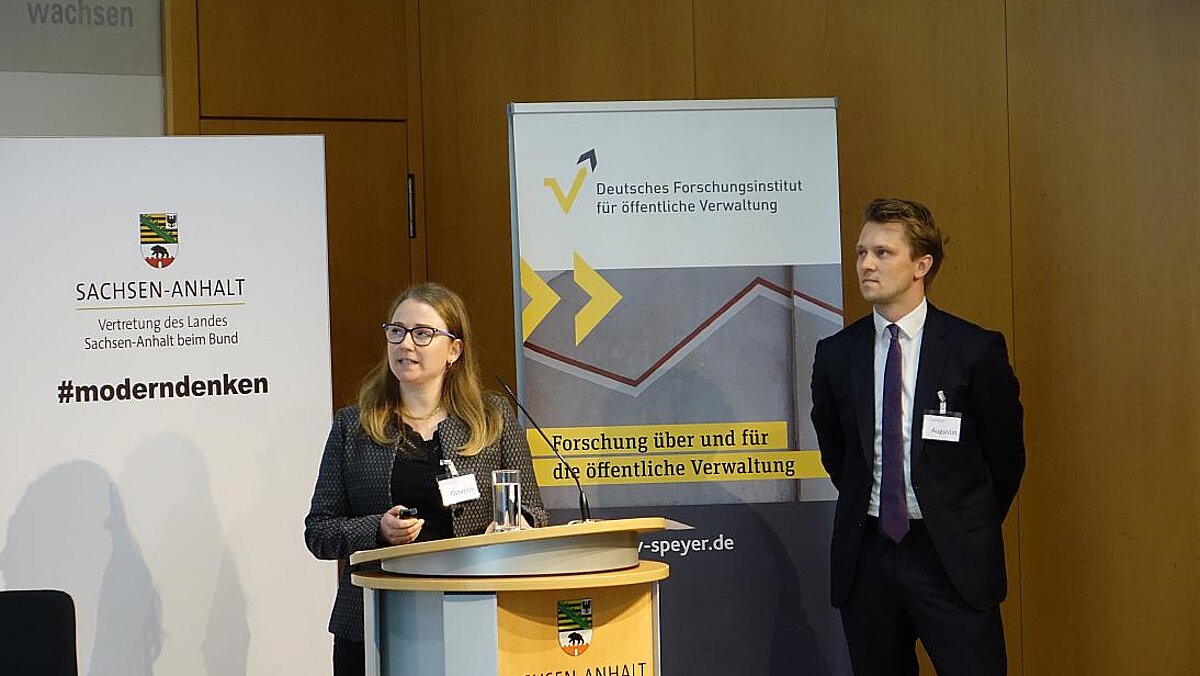
The results of the evaluation for the National Institute for Public Administration Germany were presented by Friederike Bickmann and Torge Ziemer. In their presentation, the two speakers highlighted the advantages of digital formats in terms of effort and participation, but also underlined the need for analogue forms of public participation to ensure the involvement of non-digital citizens and the resolution of conflict-intensive procedures. They suggested that future regulations should facilitate the flexible and precise use of both analogue and digital forms of consultation, tailored to the specific characteristics of each procedural context.
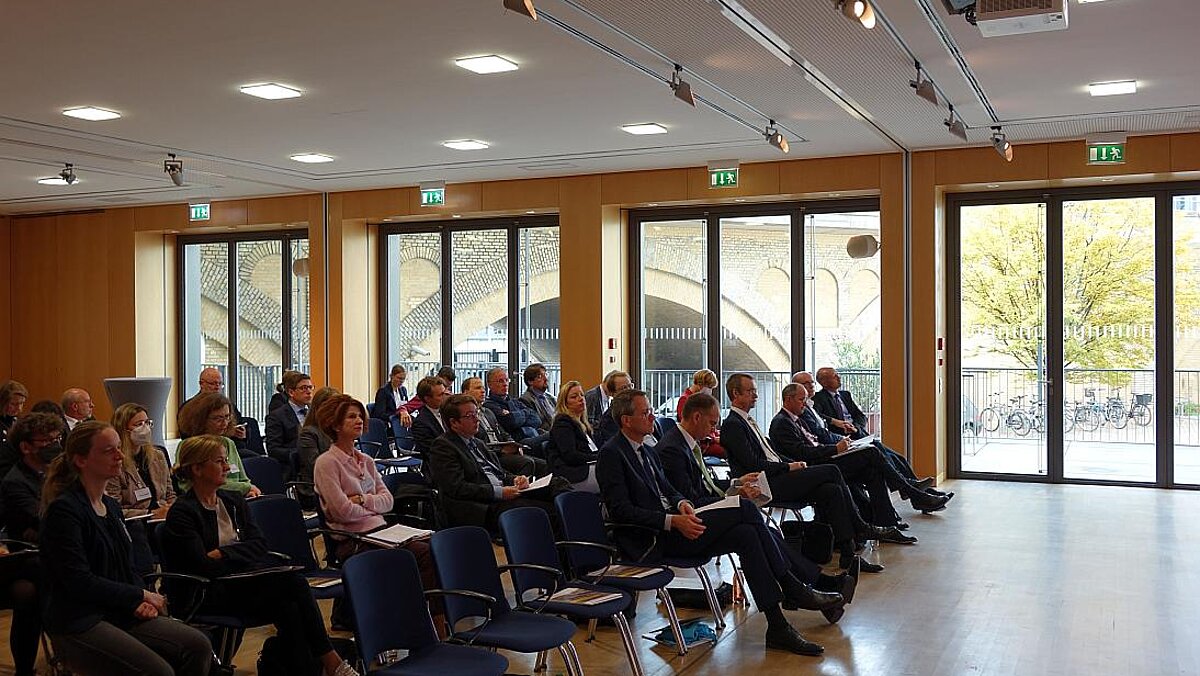
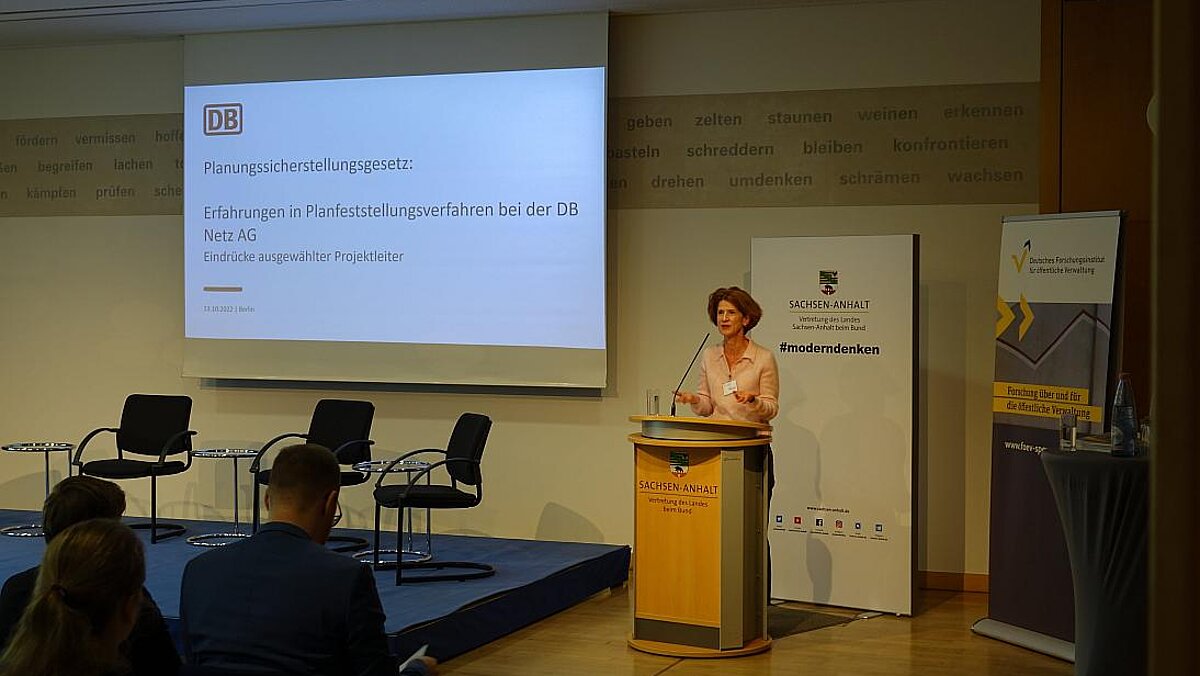
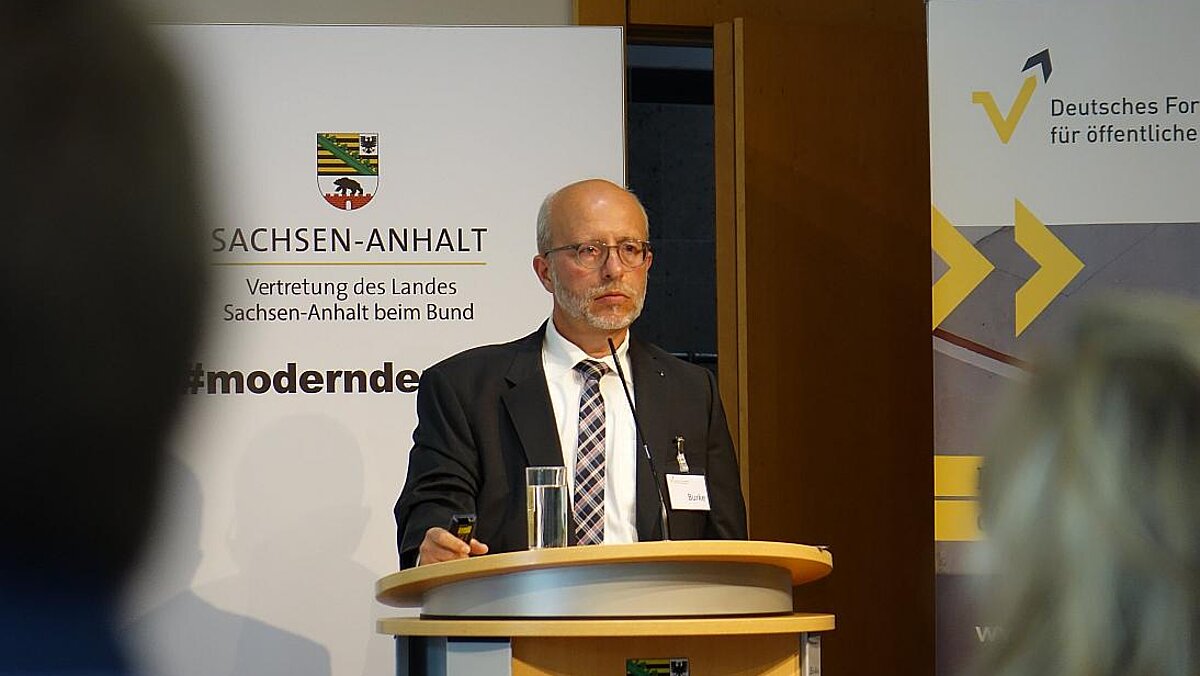
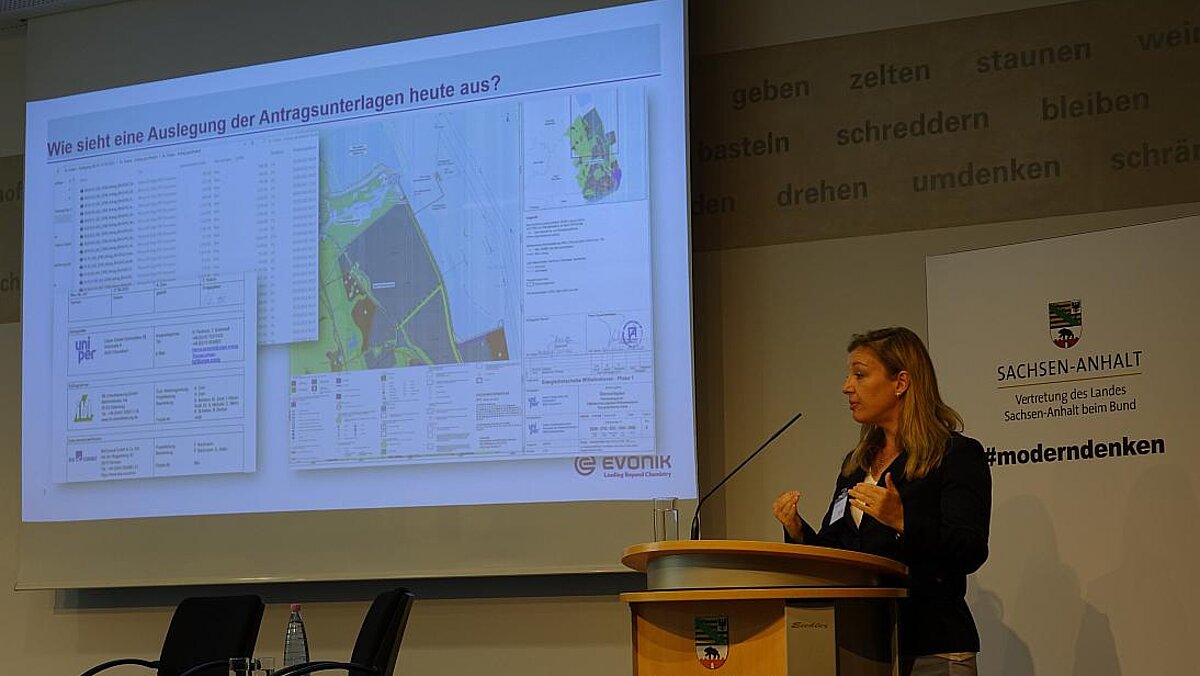
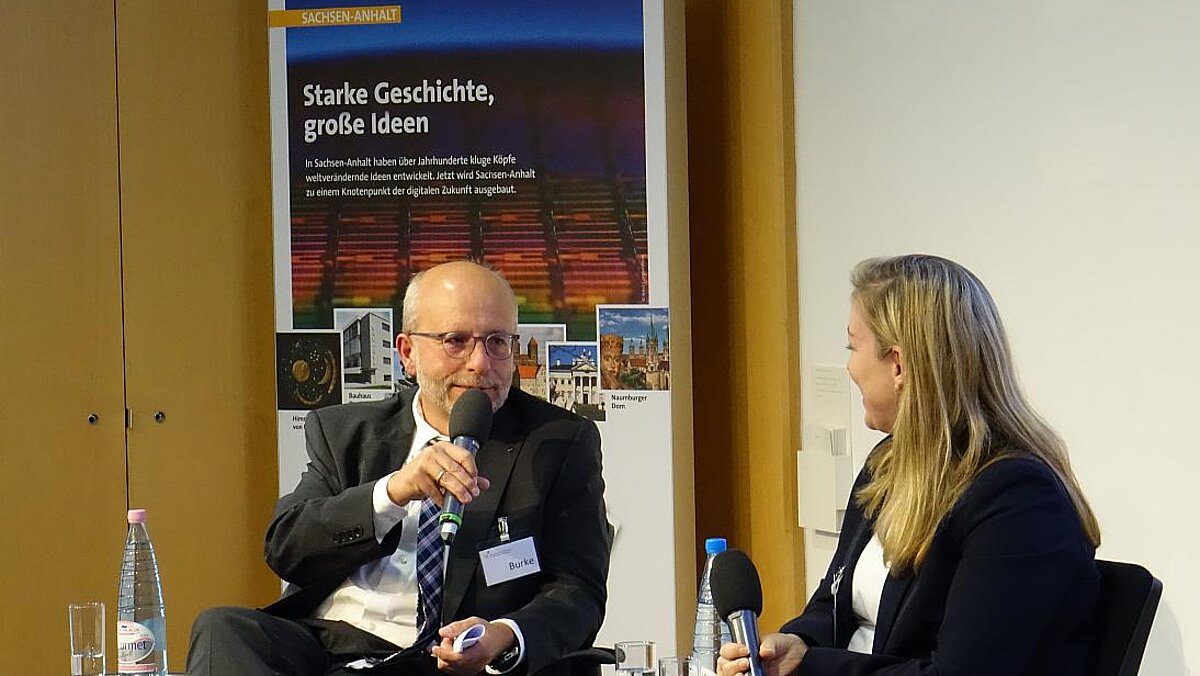
In the course of several presentations, representatives from authorities and project sponsors reported on their experiences with the regulations and instruments in the PlanSiG in practice. The speakers agreed that the PlanSiG allowed planning and approval procedures to continue during the pandemic, thereby avoiding significant procedural delays. Among the PlanSiG instruments, the digital publication of documents was considered by several speakers to be particularly effective. Consequently, it may be prudent to assess the continued need for analogue access to documents. Conversely, online consultation was not considered an adequate substitute for face-to-face consultation.
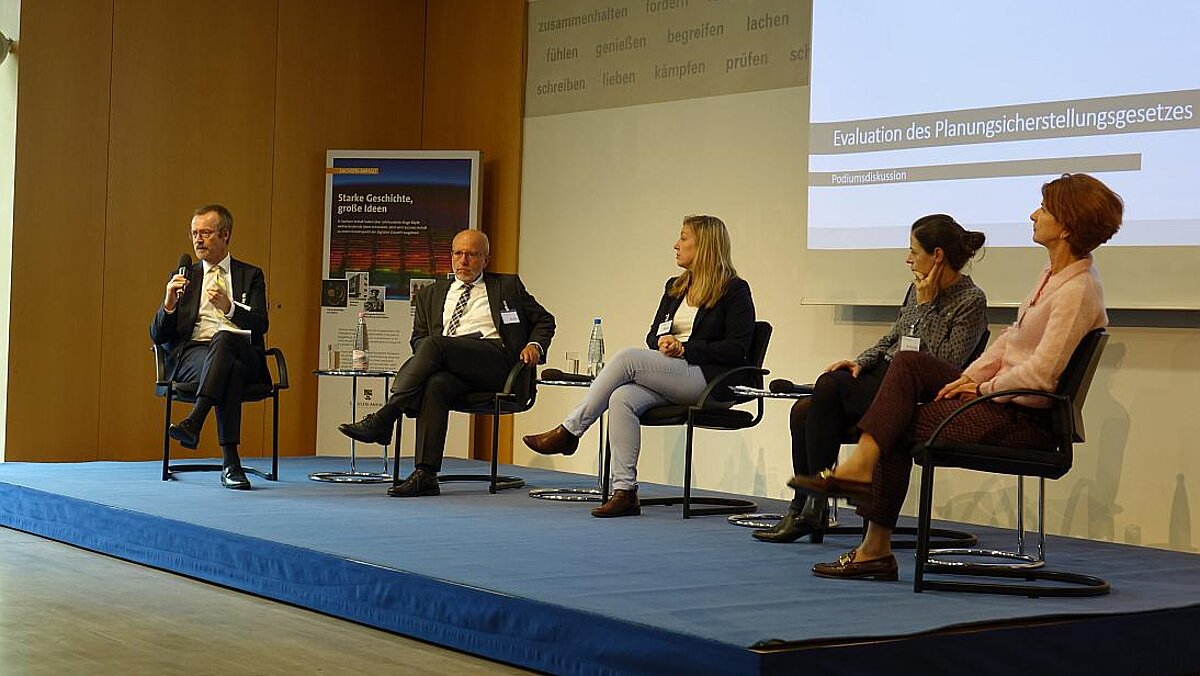
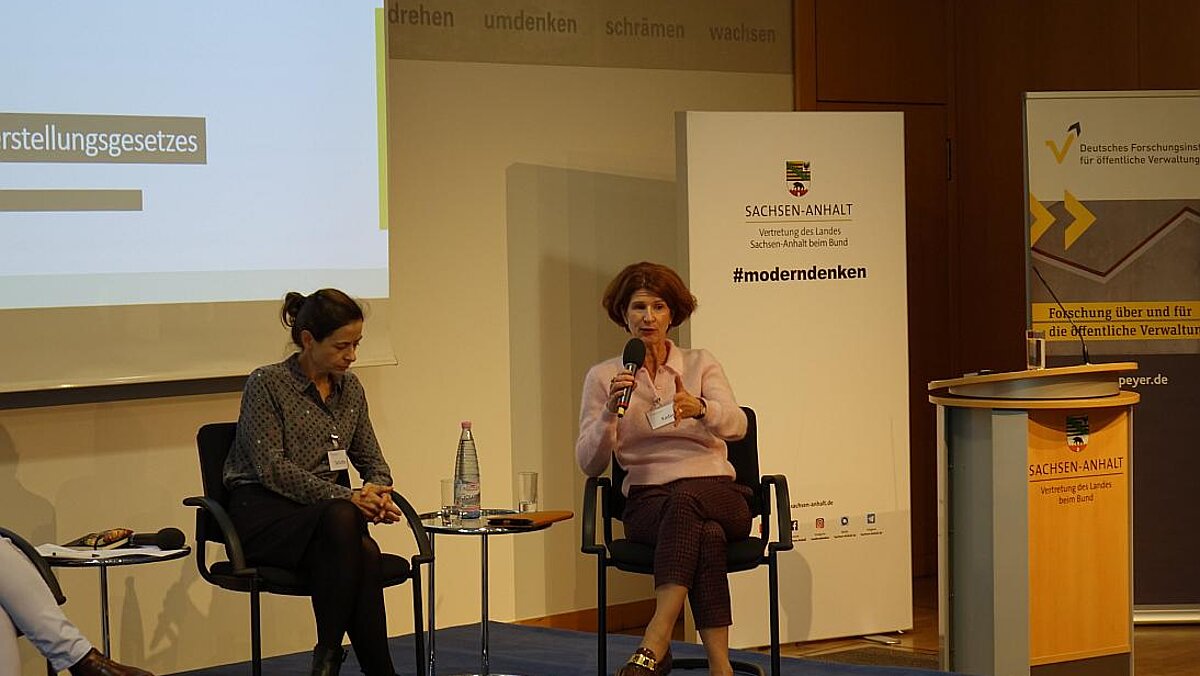
The event concluded with a panel discussion on the necessity for action regarding the future of digital instruments of public participation within the context of forthcoming legal regulations. Participants emphasised that the path to streamlined and efficient planning and permitting procedures requires a comprehensive digitalisation of administrative processes. It is the responsibility of the legislator to create the necessary framework for the legally secure use of digital tools in administrative procedures. In addition, joint efforts by the federal, state and local authorities are needed, for example to standardise back-end solutions.
The National Institute for Public Administration Germany thanked all participants for their open and committed discussion.
Place, Time and organisation
| Date of the event | 13 October 2022 |
| Location | Sachsen-Anhalt-Saal der Landesvertretung Sachsen-Anhalt, Luisenstraße 18, 10117 Berlin, Germany |
| important documents (in German) | Presentation of the research findings by the National Institute for Public Administration Germany Presentation by Dr. Nina Kaden (Deutsche Bahn) Presentation by Thomas Burke (Federal Railway Authority - EBA) Presentation by Andrea Osterloh and Dr. Julian Augustin (TransnetBW) |
Event details

Related Projects
Evaluation of the Planning Assurance Act (PlanSiG)
With the Planning Assurance Act (PlanSiG), the legislator provides a legal framework for the rapid and lawful implementation of planning and approval procedures, taking into account the need for infection control measures during the ongoing COVID-19 pandemic. Where appropriate, procedural steps such as document inspection or consultation meetings could be conducted in digital formats, allowing those entitled to participate to exercise their rights without the need for physical presence. The main provisions of the PlanSiG expired on 31 December 2022. Against this background, the Federal Ministry of the Interior and Community (BMI) commissioned the National Institute for Public Administration Germany to evaluate the PlanSiG.

Selected publications on the subject
Evaluation des Planungssicherstellungsgesetzes (PlanSiG)
Ziel der Evaluation war es erstens, einen Eindruck darüber zu gewinnen, inwieweit in der Verfahrenspraxis von den Instrumenten des PlanSiG Gebrauch gemacht wurde. Zweitens sollten die durch die Anwendung der Instrumente entstehenden Auswirkungen auf die Verfahrensbeteiligten untersucht werden. Das dritte Ziel war es, zu prüfen, welche Instrumente sich auch nach Außerkrafttreten des Gesetzes zur Weiterführung eignen und welche Modifikationen ggf. vorzunehmen sind.
![[Translate to English:] Cover des Speyerer Forschungsberichts 304](/fileadmin/_processed_/8/7/csm_foev_publikationen_Cover_304_113525d4e8.jpg)
